Avoiding Vendor Lock-in in AI Platforms
A practical guide to sovereign AI design choices for teams moving between platforms like Lovable, Replit, managed APIs, and private GPT architecture.
Lock-in starts in the workflow layer
Vendor lock-in is usually created before infrastructure is chosen. It begins when prompts, data paths, and product workflows depend on proprietary platform assumptions.
If the team cannot move the workflow, changing the hosting layer later does not solve the problem.
What portability actually looks like
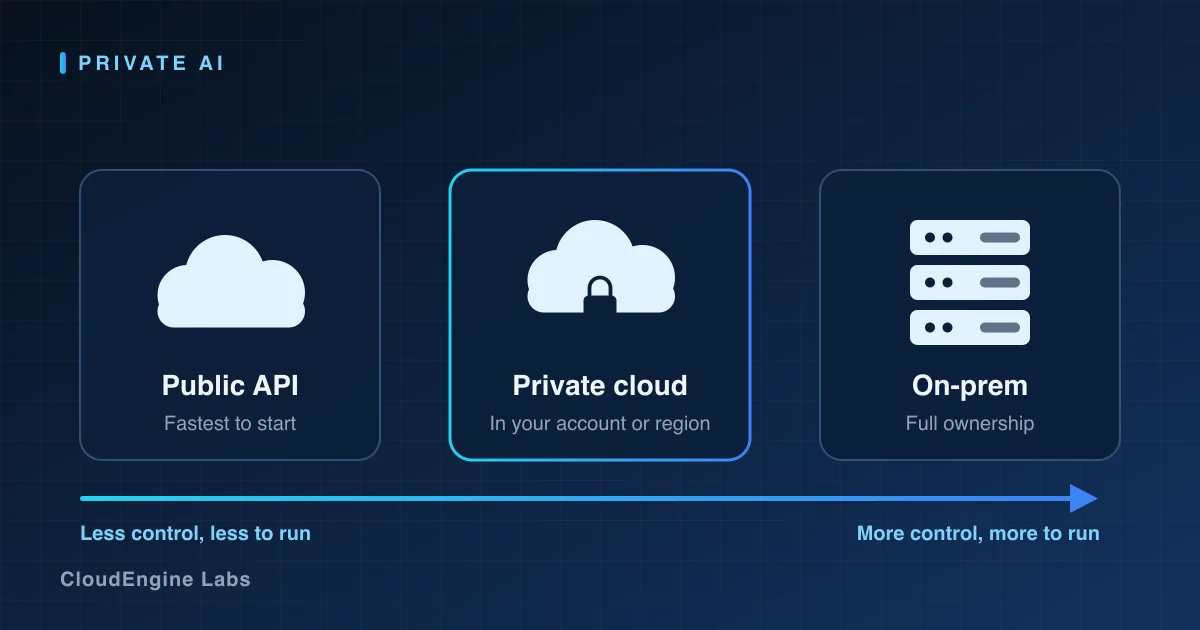
Portable AI systems separate interface, orchestration, model access, and storage. That makes it easier to migrate between managed APIs, private GPT architecture, or sovereign AI hosting later.
- Keep business logic outside provider-specific workflow builders.
- Abstract model providers behind a predictable service interface.
- Preserve audit logs and prompt versions as first-class records.
When sovereign AI matters
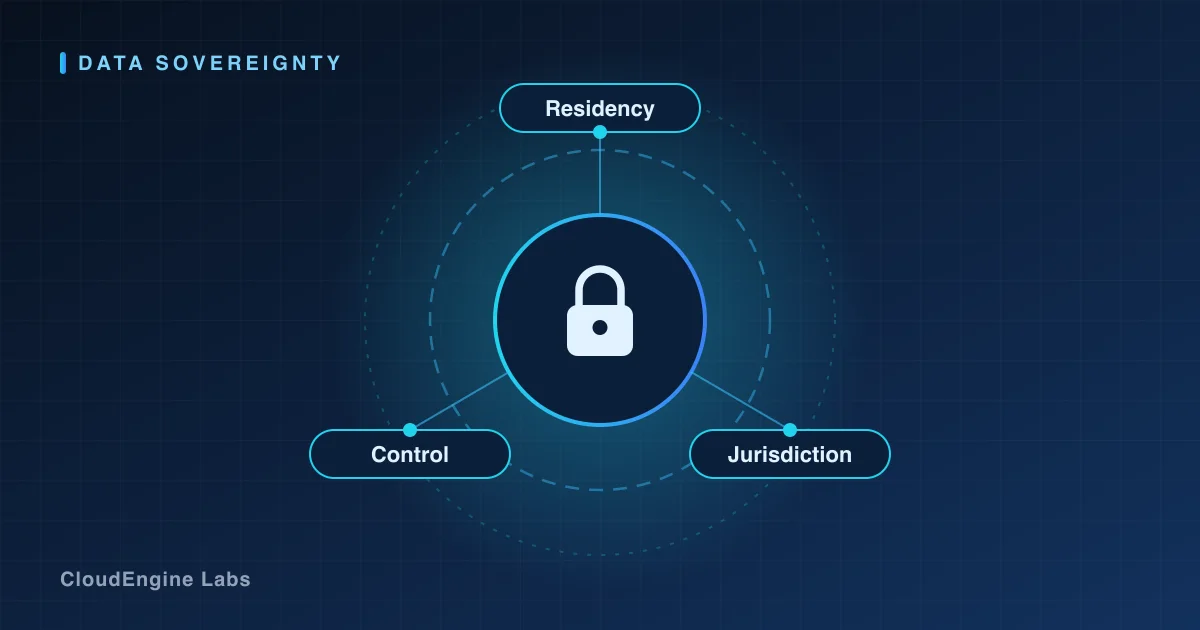
Sovereign AI becomes important when data residency, compliance, or long-term margin matter more than short-term convenience.
Teams do not need to self-host everything on day one. They do need an exit path before growth makes migration expensive.
Need production guidance for your AI product?
We help teams move from AI-built prototypes to production-ready, secure systems.